
Kennesaw Previous-Resident Sources
A sound address history separates ownership from occupancy. Cobb County deeds can carry a title chain back toward the county's 1832 creation, subject to survival, but the official portals do not state a dependable first online year. Kennesaw-inclusive directories identify selected occupants in a few known years. Public census schedules add whole households through 1950. Tax digests, permits, aerials, probate files, and obituaries help bridge the spaces between those records.
| Source | Years It Covers | Where Held | What It Shows |
|---|---|---|---|
| Cobb deed index and books | 1832 forward, with gaps possible | Superior Court Clerk and Archives microfilm | Title transfers, legal descriptions, party names |
| Kennesaw-inclusive directories | 1977, 1985-86, 1987 | Switzer Library Georgia Room | Occupants, addresses, spouse or work details when printed |
| Haines criss-cross volumes | 2007, 2008-09 | Switzer Library Georgia Room | Later address and telephone listings |
| Federal census | 1840 forward for Cobb; public through 1950 | NARA, Georgia Archives, research databases | Households and nearby enumeration entries |
| Permits and aerials | Published start dates vary | Kennesaw or Cobb custodian; GIS | Changes to buildings and site context |
Start with the parcel card and latest deed for a recent trail. Move to directories for the late twentieth century, then pair public census years with tax and deed evidence. A directory absence is not proof that a household left. Publishers missed homes, residents declined canvassers, and street labels changed.
Start With the Kennesaw Parcel
The current parcel is the stable starting point. Use the Cobb simple property search with house number and street only. Record the parcel ID, physical or situs address, owner, separate mailing address, subdivision or land lot, latest sale, and deed book and page. The situs is the taxed location. The mailing address is merely where notices go, so it may belong to an agent, entity, or another residence.
Open the parcel in Cobb GIS and test whether it lies within Kennesaw's municipal boundary. A postal city of Kennesaw does not settle jurisdiction. The parcel ID and legal description then keep the research attached to the same land even if the street name, city limit, or mailing convention changed.
Walk Cobb Deeds Backward
The Cobb County Superior Court Clerk is the land recorder. Its Landmark and Web Public Inquiry systems expose name, book and page, instrument, land-description, cross-reference, street, and CFN routes. The legacy inquiry says its index data ran through October 1, 2024, but no official source gives a safe first online year. Treat the online system as an index and continue in the Deed Room when it stops.
- Copy the current owner's last-sale deed reference from the assessor card.
- Open the purchase deed and record buyer, seller, execution and recording dates, legal description, and cross-references.
- Search that seller as a grantee in an earlier period. Confirm the same lot, land lot, subdivision, or full legal description.
- Repeat the seller-as-earlier-buyer search. Follow estate transfers through Cobb Probate Court when needed.
- Use grantor and grantee books, deed books, plats, and Archives microfilm once the online trail ends.
- Grantor and grantee
- The grantor transfers an interest; the grantee receives it.
- Chain of title
- The linked sequence of recorded transfers for the same land.
- Legal description
- The land-lot, subdivision, lot, block, or boundary wording that identifies the parcel despite postal changes.
- Security deed
- A financing instrument, not proof of a sale or occupancy.
Kennesaw Deeds Beyond the Portal
The Cobb Landmark land index is useful for discovery and images, but a missing result is not a clean endpoint. Call the Real Estate Division Deed Room at 770-528-1328 for older books, plats, and index help. The Georgia Archives also holds county microfilm. Regular copies are generally 50 cents per page, with a $2 per-document certification charge in person.
A deed proves a recorded transfer. It does not prove that each buyer moved into the house. Read the full image for the execution date, return address, consideration if shown, witnesses, and legal description, then test occupancy in a separate source.
Kennesaw Directory Years Are Sparse
The confirmed local shelf is not an annual Kennesaw run. Switzer Library's Georgia Room lists Kennesaw-inclusive Polk or Haines material for 1977, 1985-86, and 1987, followed by Haines Northwest Suburban criss-cross volumes for 2007 and 2008-09. That sparse pattern is a useful warning: no entry between those dates can establish a continuous residence.
A street section reverses the normal name index. It orders an entry by street and number, which can reveal an occupant, nearby numbers, vacancies, or businesses. The full collection details belong on the Kennesaw city directories page; here, use the nearest volume only to test who lived at the parcel during a deed interval.
Pair Kennesaw Directories With Census
Federal census records provide named Cobb County residents from 1850 and are public through 1950 under the 72-year rule. Georgia's 1790 through 1810 schedules are lost, and most of the 1890 population census was destroyed. Deeds, tax digests, directories, and voter records therefore carry unusual weight in those gaps.
- Place each deed interval on a simple year line.
- Check the closest directory street entry, including spelling and street-name variants.
- Locate the address or household in the nearest public census schedule.
- Compare names, ages, relationships, work, birthplace, and nearby households without assuming the canvass dates match.
- Bridge missing years with tax digests, newspapers, yearbooks, permits, probate, and obituaries.
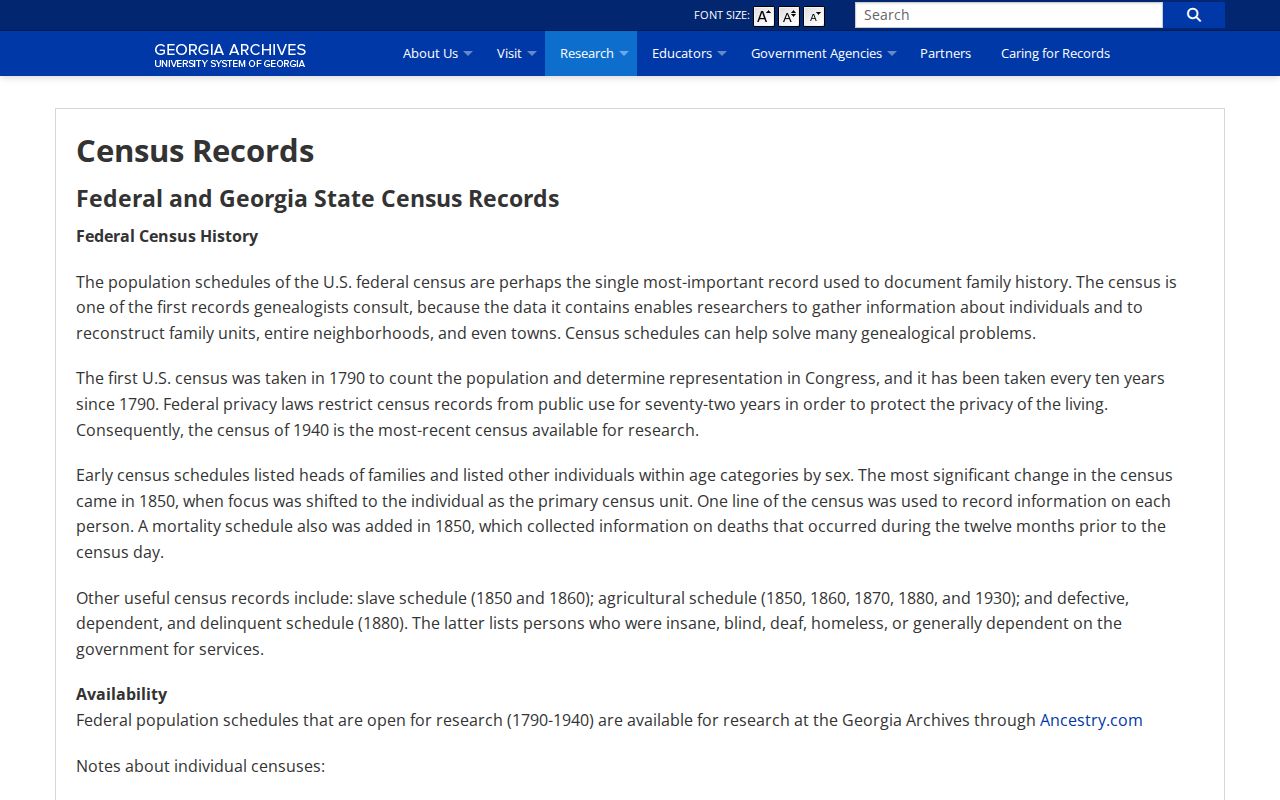
The Georgia Archives census guide shows the research route available for these schedules.
Search Big Shanty Before Kennesaw
Older research has a place-name trap. Before Kennesaw's 1887 incorporation and name era, search Big Shanty and railroad-era terms as well as modern Kennesaw. Later annexations create a different problem: a Kennesaw postal address may sit outside the city, which changes the custodian for permits and code files.
No authoritative mass-renumbering year was found, and no Kennesaw-specific Sanborn sheet was verified. Preserve that uncertainty. Compare the legal description, plat, cross streets, land lot, and parcel shape instead of inventing continuity from a street number alone.
Georgia's Kennesaw House-History Route
The Georgia Department of Community Affairs property guide supplies the official offline playbook: deeds, estate records, tax digests, maps, directories, photographs, and oral histories. Cobb Probate Court becomes important when a seller died or the deed uses an estate, administrator, year's-support, or heir transfer.
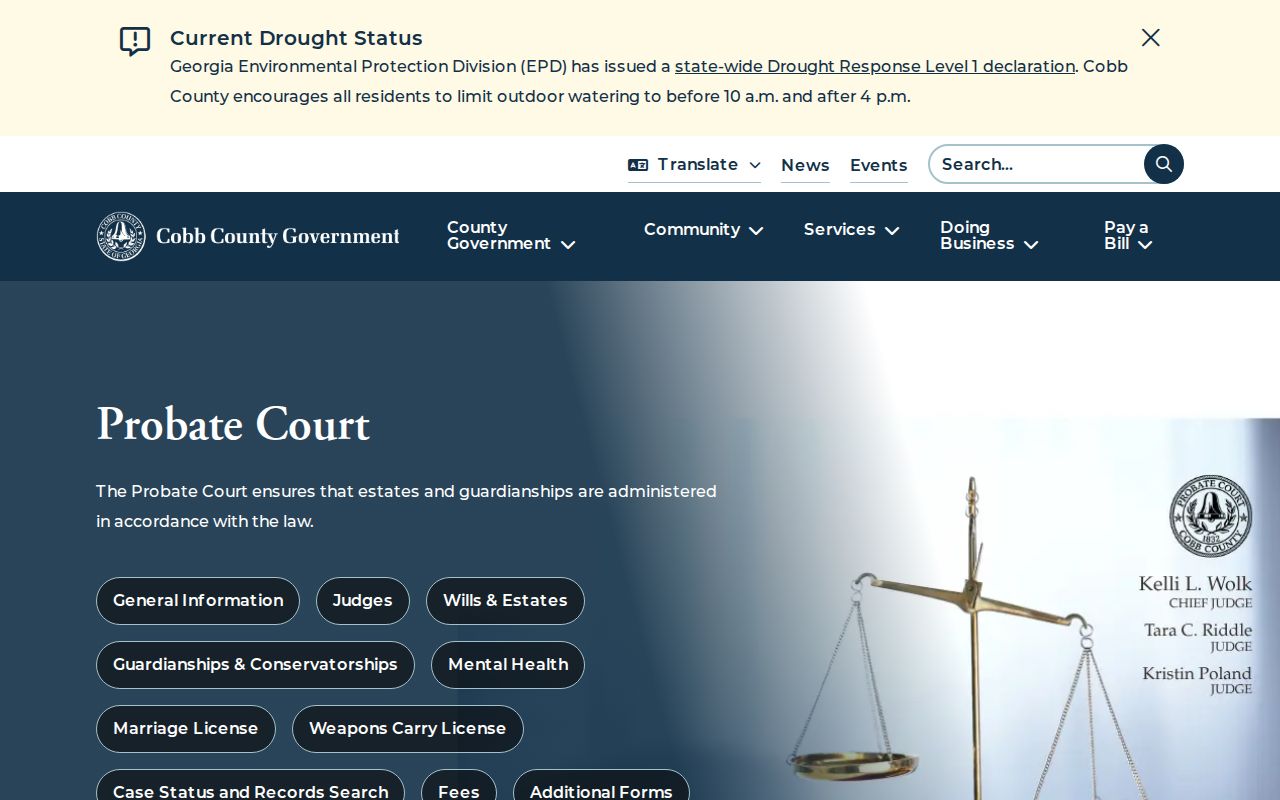
A will may identify property and heirs, while an administrator's deed reconnects the estate to the title chain. The official Cobb Probate Court page is the starting point for that office.
Date Changes at Kennesaw Addresses
Building permits and certificates of occupancy can date an addition, major repair, or readiness for use, but neither identifies everyone who slept in the building. First confirm the city boundary. Request city files from Kennesaw Building Services for parcels within city jurisdiction and Cobb Community Development records when the site lies outside it.
Aerial layers can show site change, though available historical image dates depend on the selected GIS viewer. Obituaries, cemetery records, and probate can close the trail for a known deceased owner. Georgia vital records are restricted, so distinguish a public historical research source from a certified certificate available only to an eligible requester.
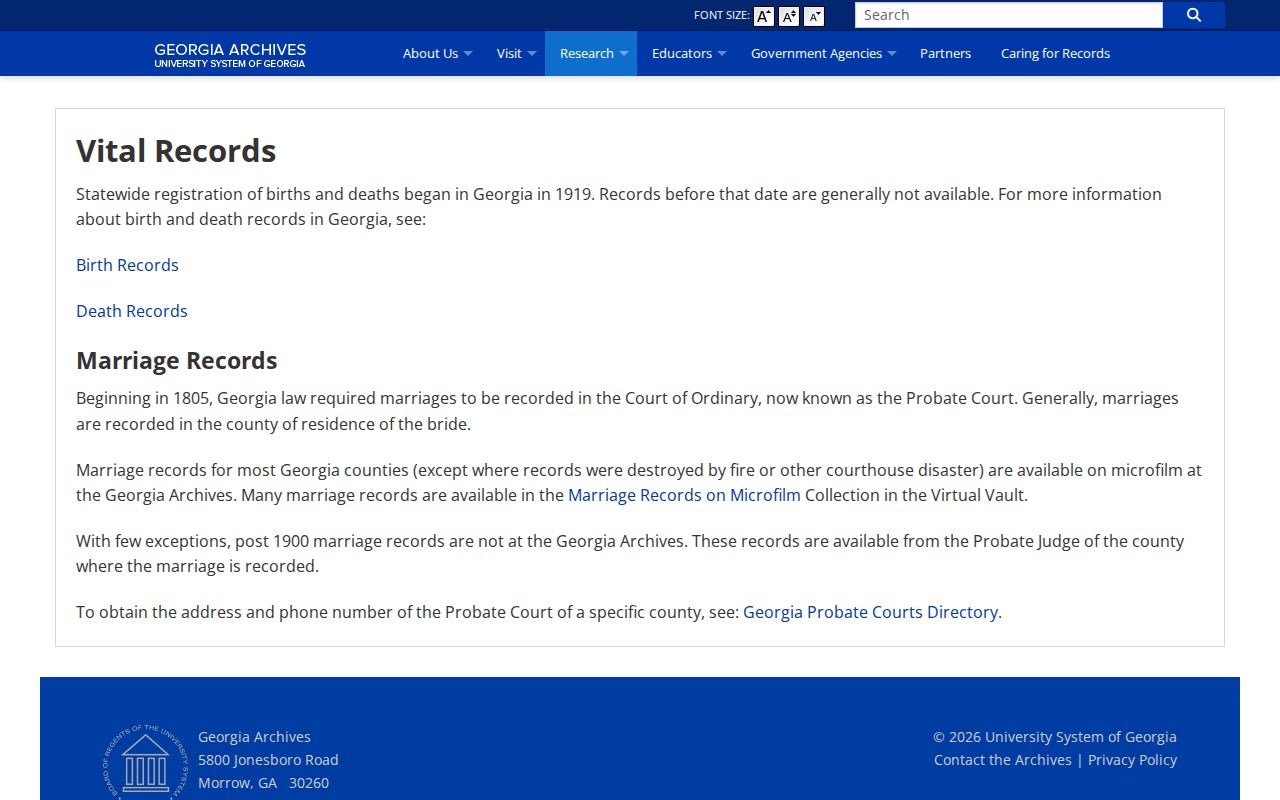
The Georgia Archives historical vital-record overview describes the older materials and access context.
Log Each Kennesaw Address Match
Keep a separate row for every source, date, address form, person, and parcel identifier. Transcribe names as printed, then add a normalized spelling in a note. Record whether the source describes an owner, an occupant, an heir, an applicant, or only a mailing contact. That small distinction prevents a deed party from becoming a claimed resident without support.
Conflicts are normal. A deed can be recorded days after execution, a directory can reflect an earlier canvass, and census day may fall between two moves. Compare the source date to the event date. If a directory lists one address while the tax roll sends mail elsewhere, preserve both facts and avoid choosing one merely because it looks newer.
Use the parcel's legal description as the tie-breaker for land identity. Names alone are weak because relatives may share them and entities may change form. Book and page, instrument number, parcel ID, subdivision, land lot, and lot number create a stronger chain. For a scanned image, save the page reference rather than just a portal result screen.
Confirm Kennesaw Past Households
Previous residents are not the same as previous owners. A renter may appear in a directory, census, permit correspondence, obituary, or newspaper but nowhere in the deed chain. Conversely, an owner's mailing address or homestead exemption is consistent with occupancy, not proof of each household member. Record each claim with its source and date.
Utilities and delivery accounts are not public resident directories. Treat missing names, changed units, and old spellings as limits rather than invitations to guess. The strongest conclusion joins the same address or legal parcel to two independent records from the same period.
Lawful use. Trace Kennesaw past residents for family or house history, and never use a living person's details to watch, harass, or cause harm.